
Medusa’s Turn [exerpt]
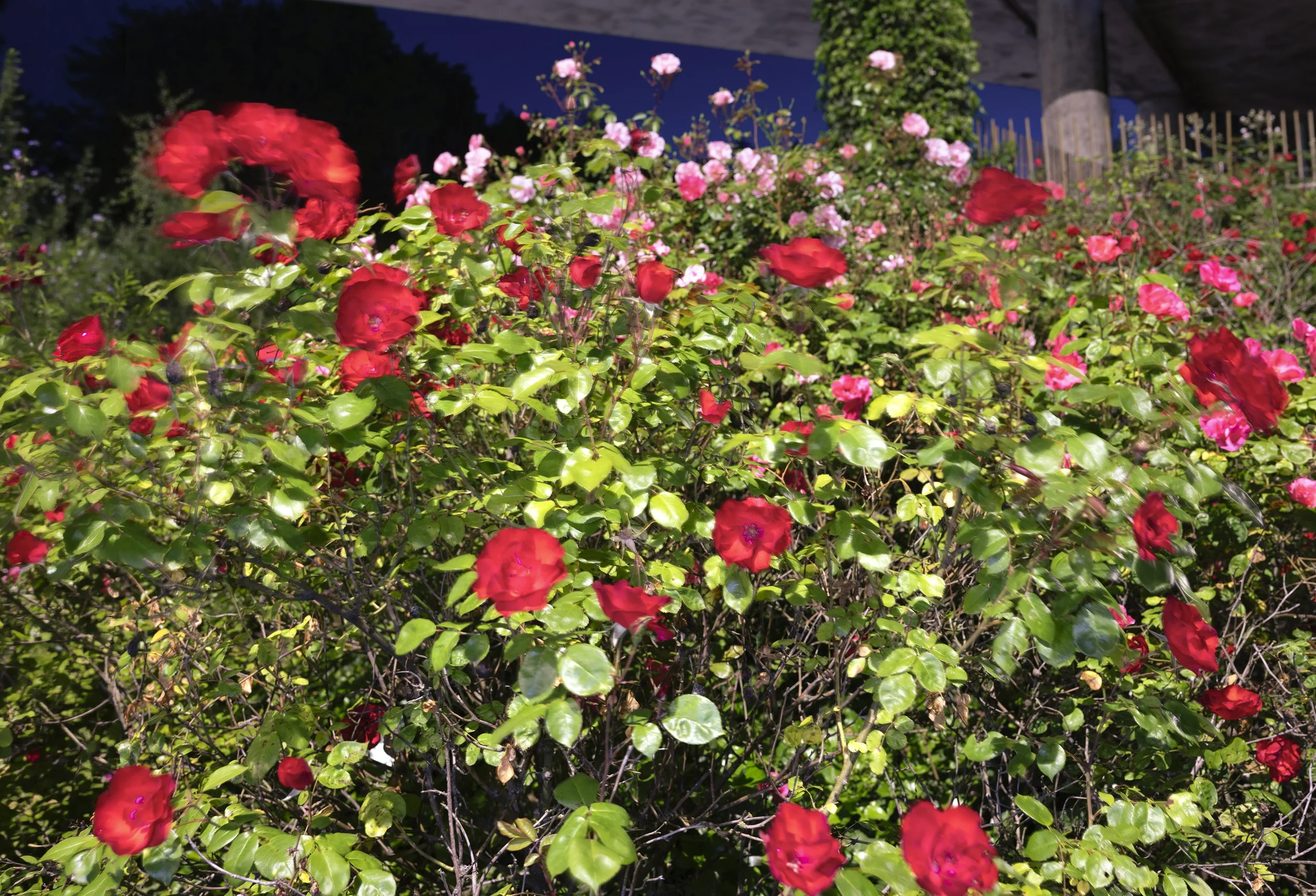
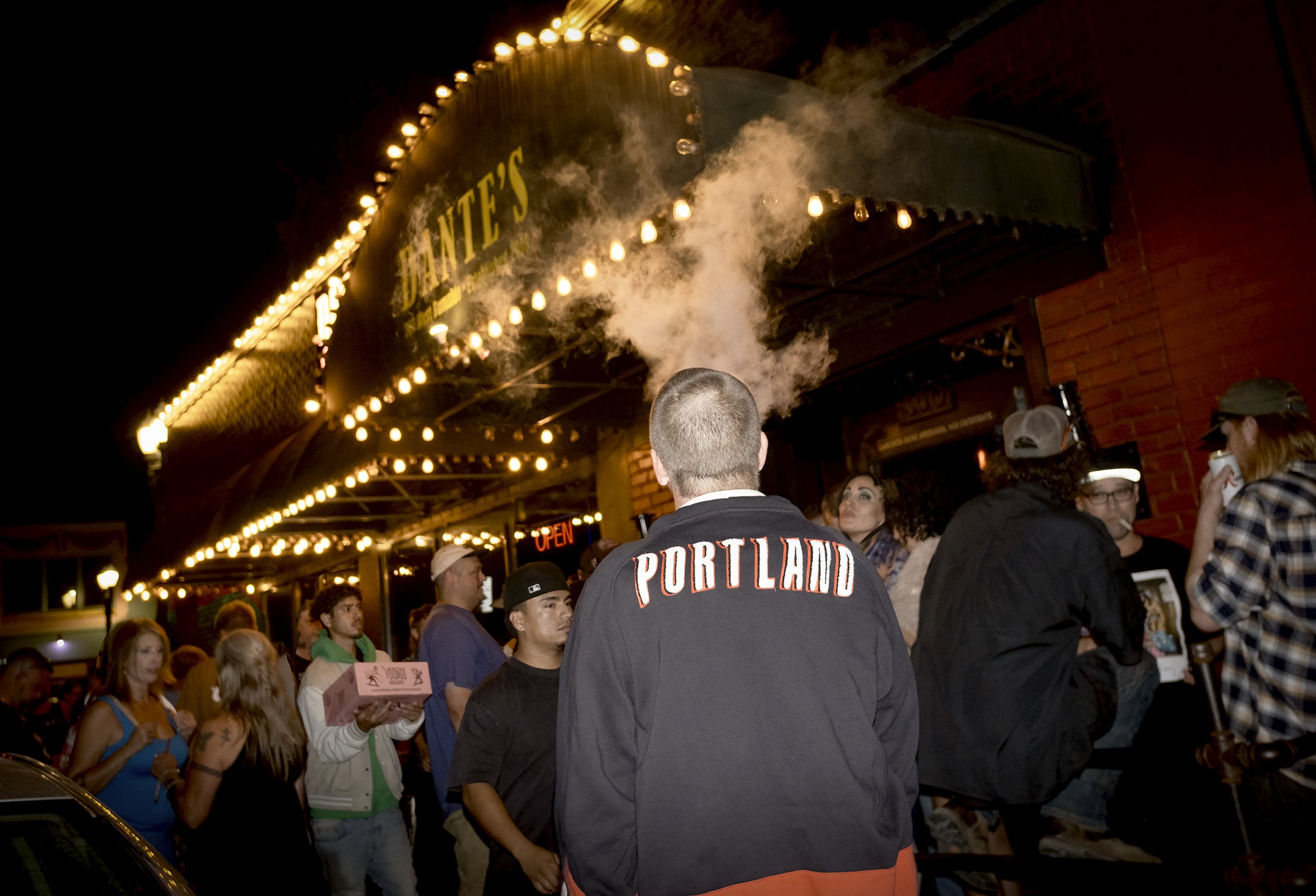
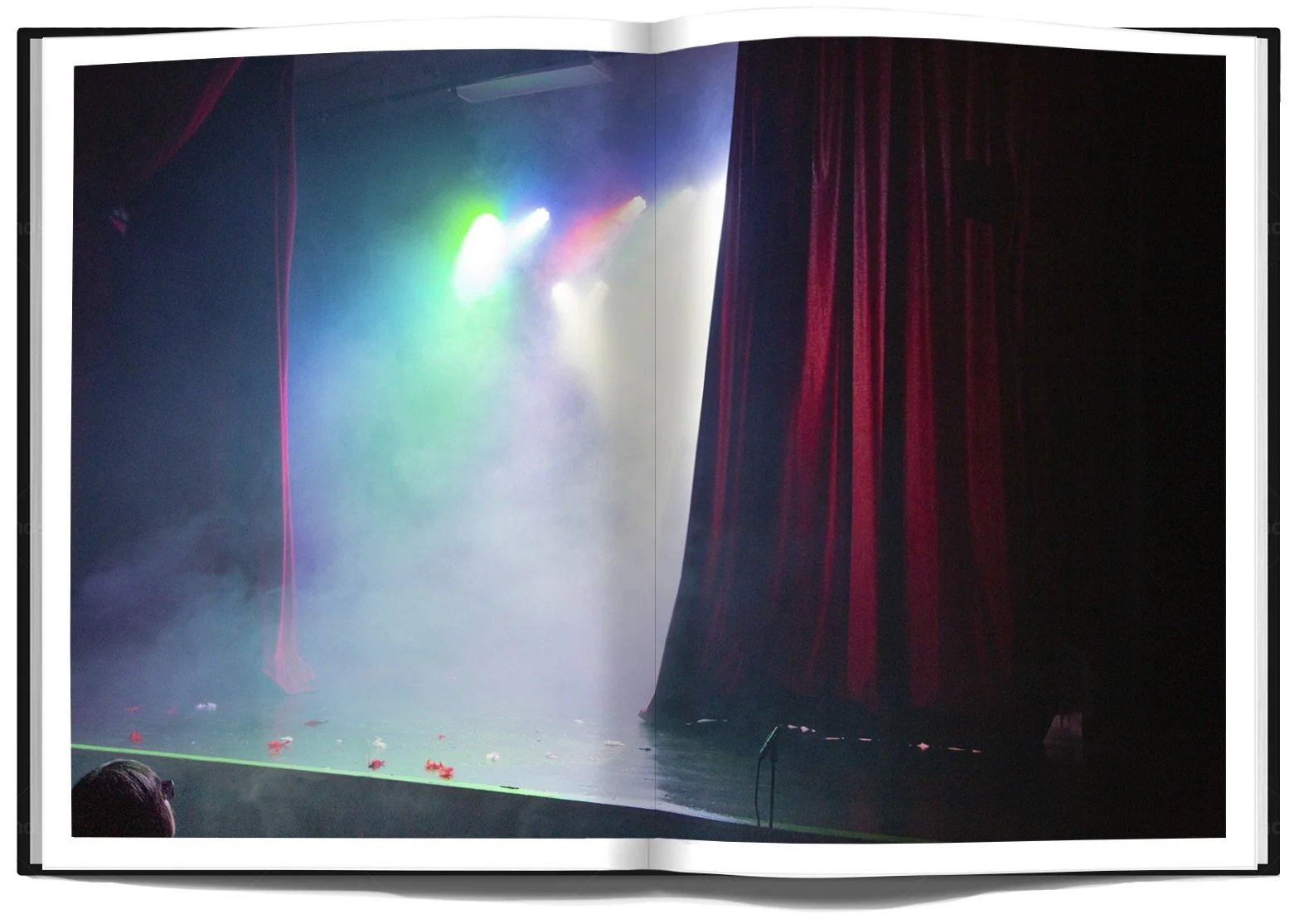
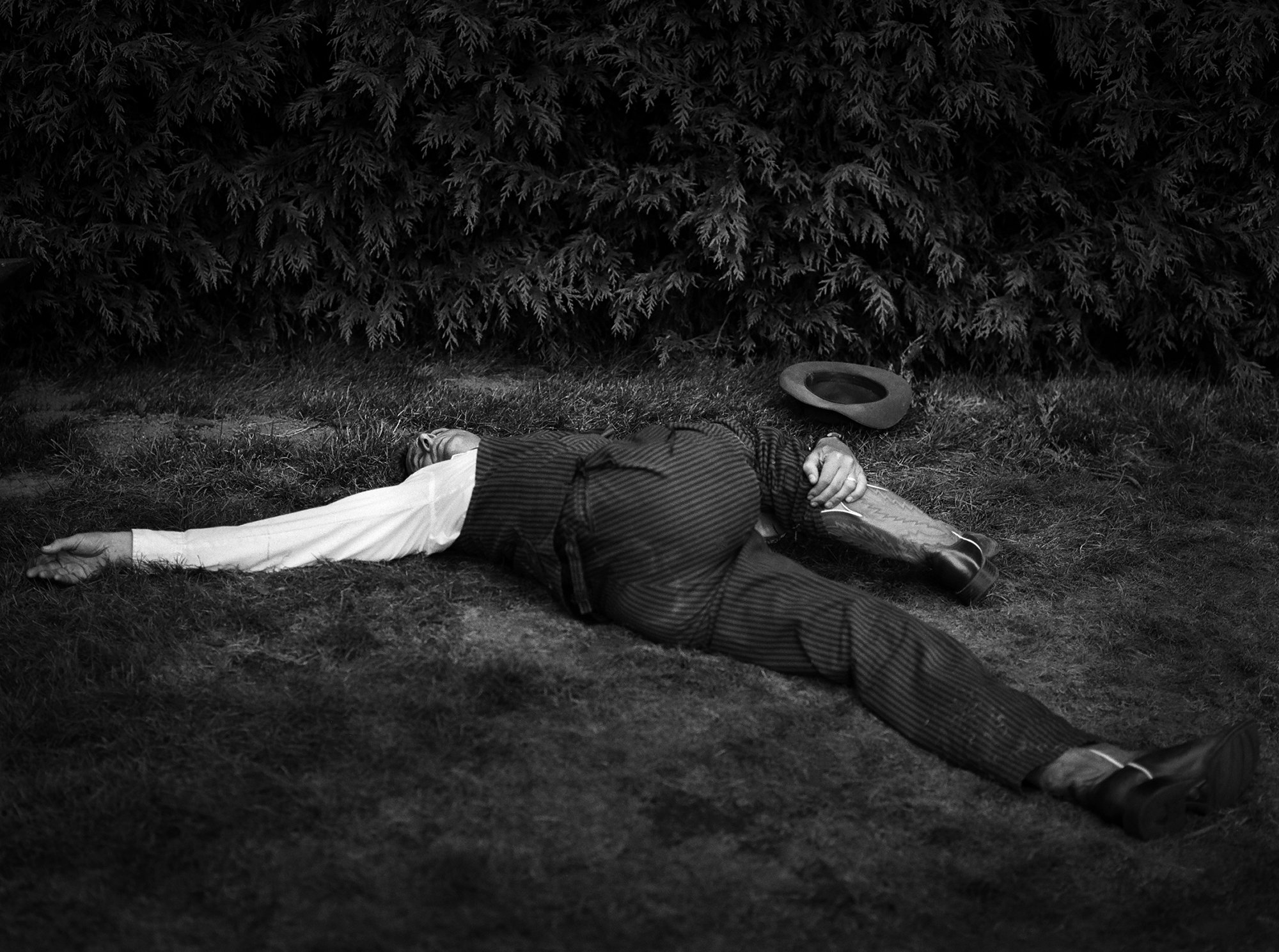
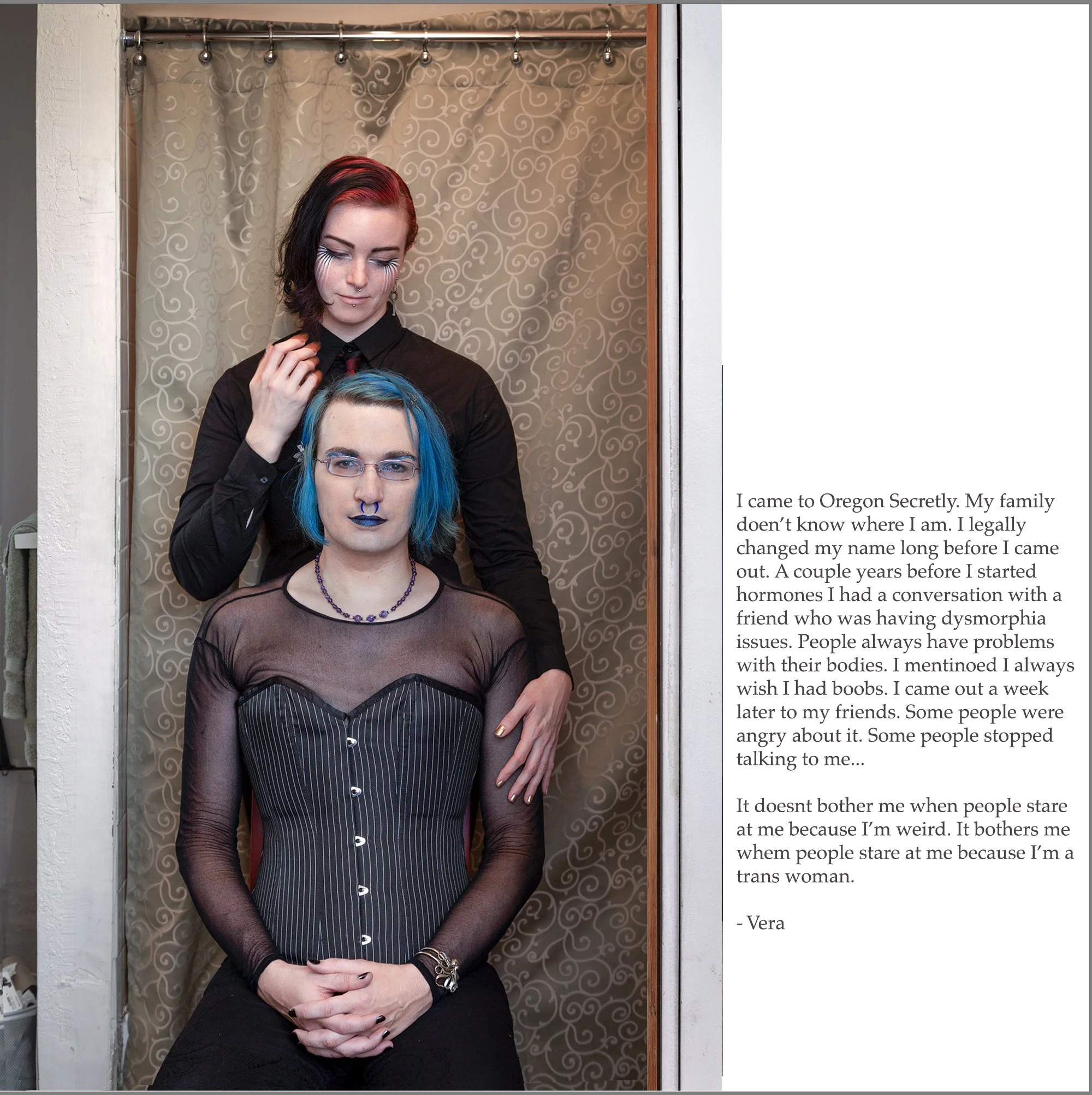
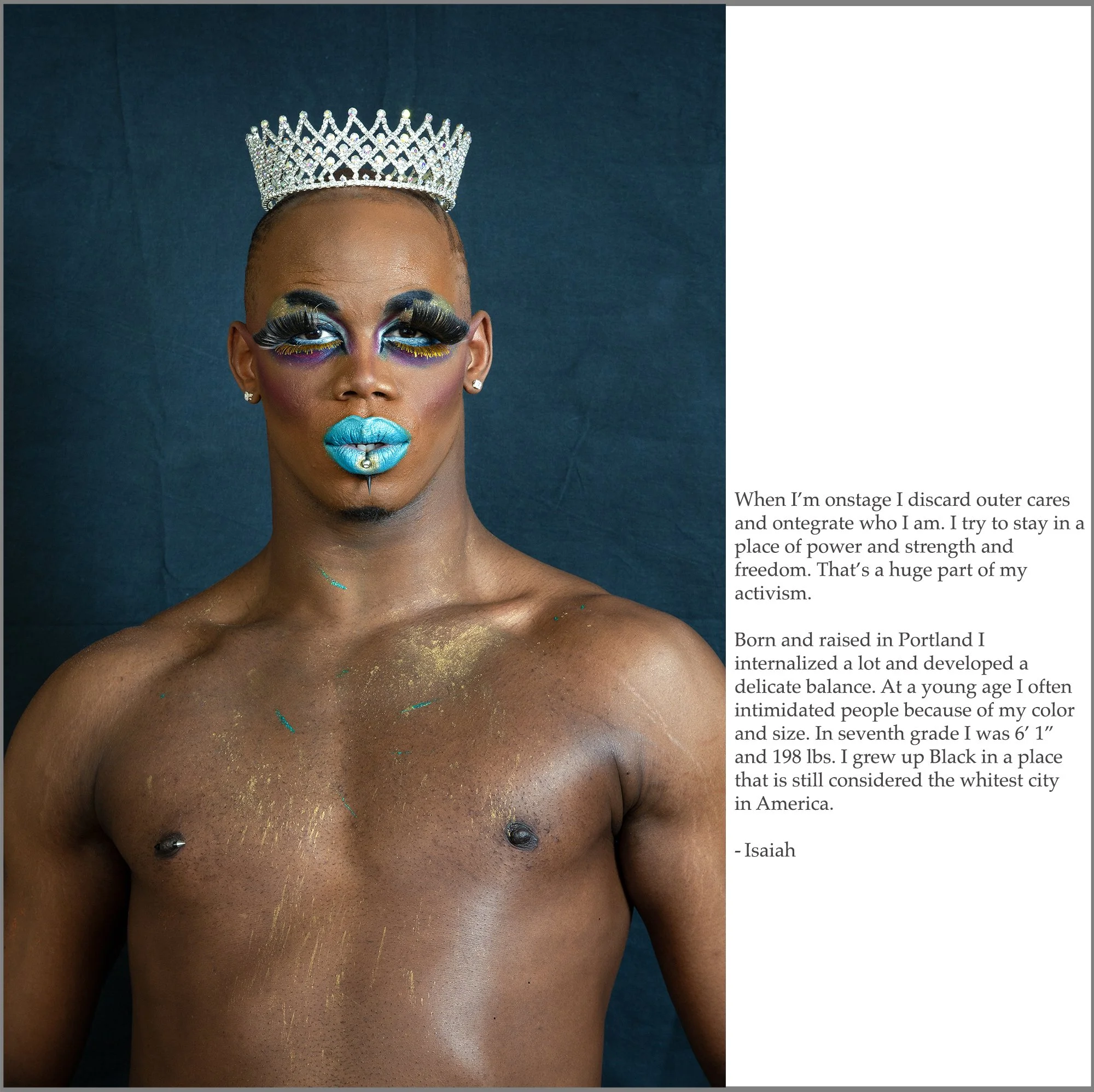
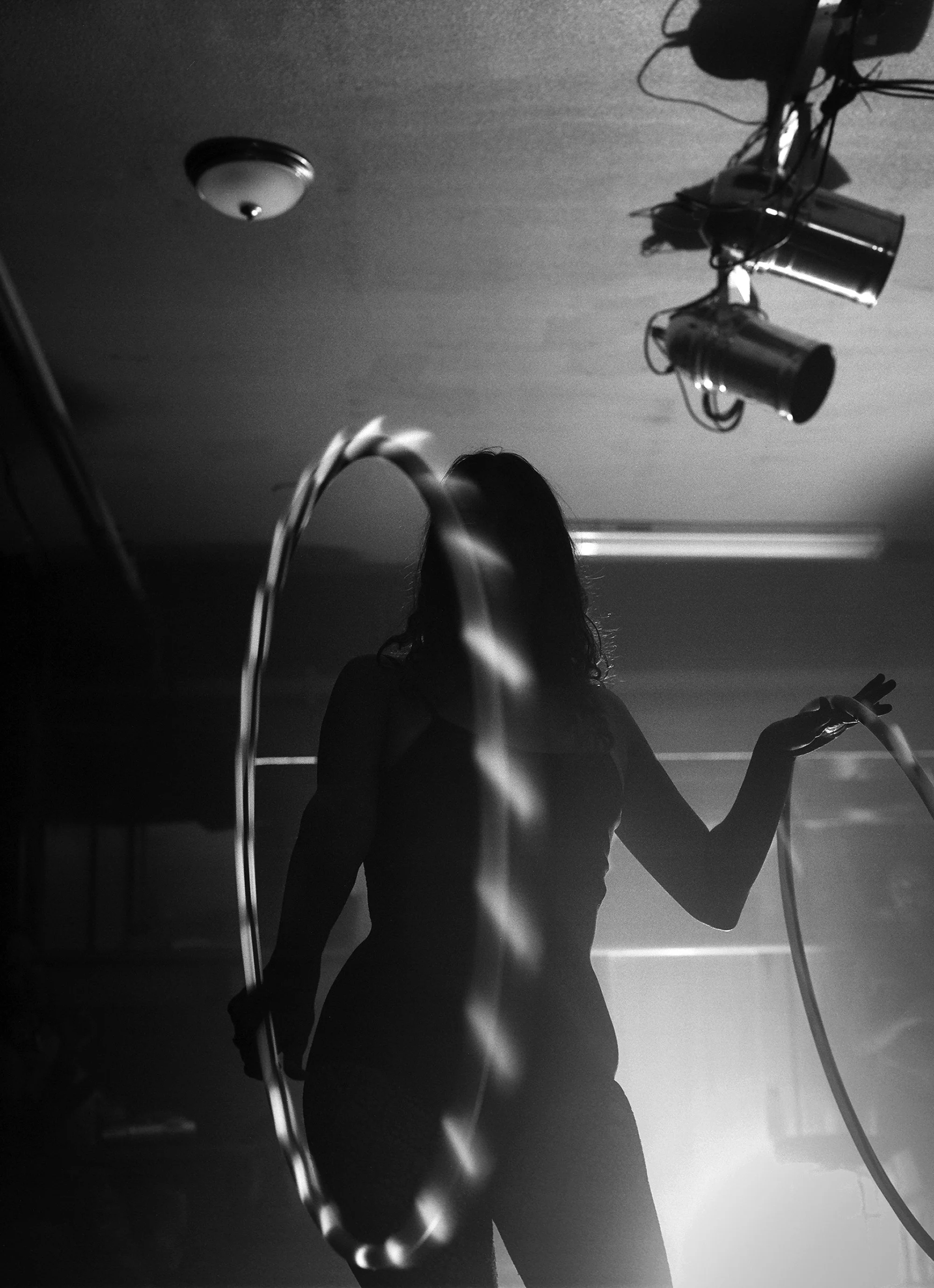
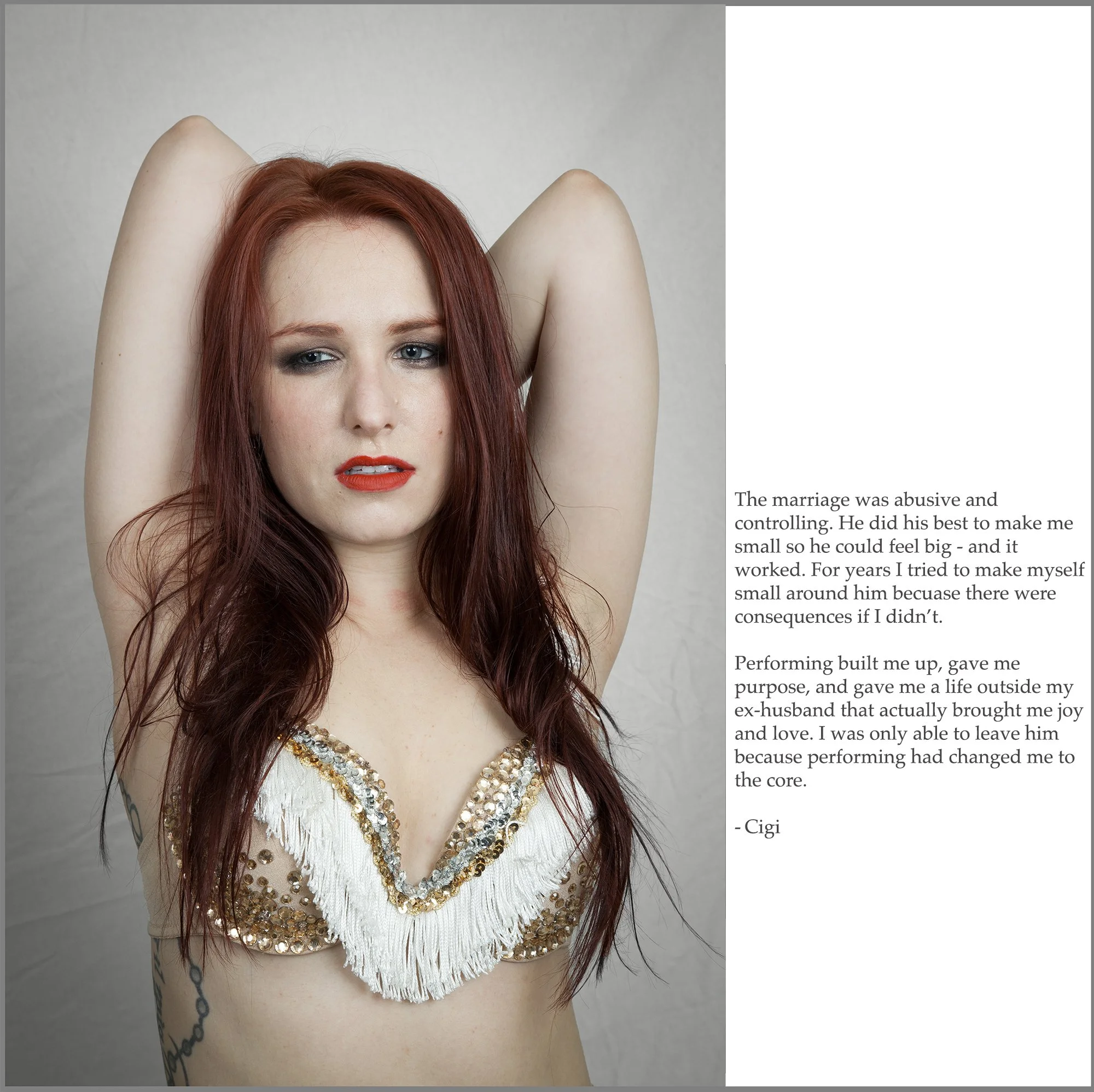
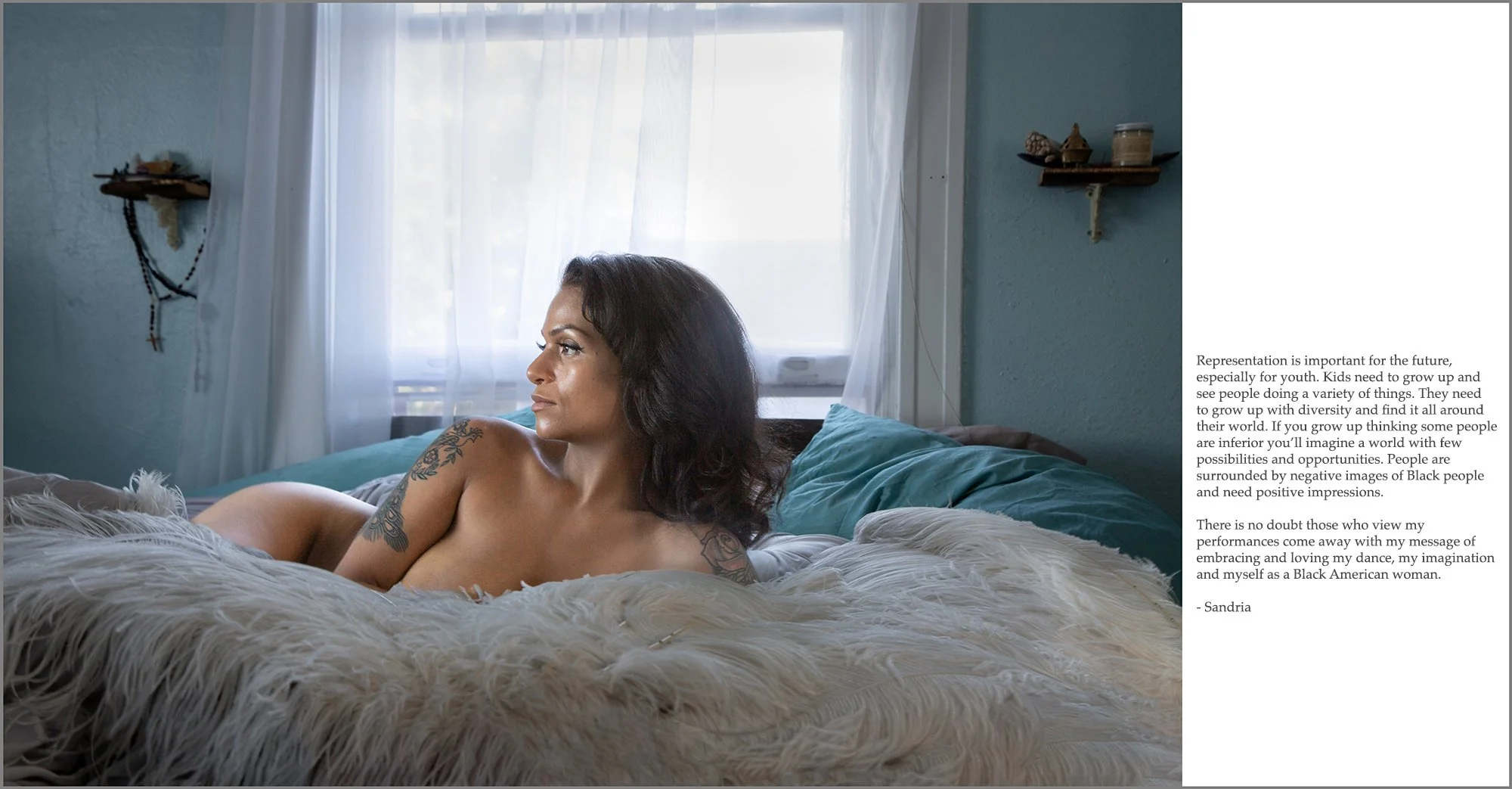
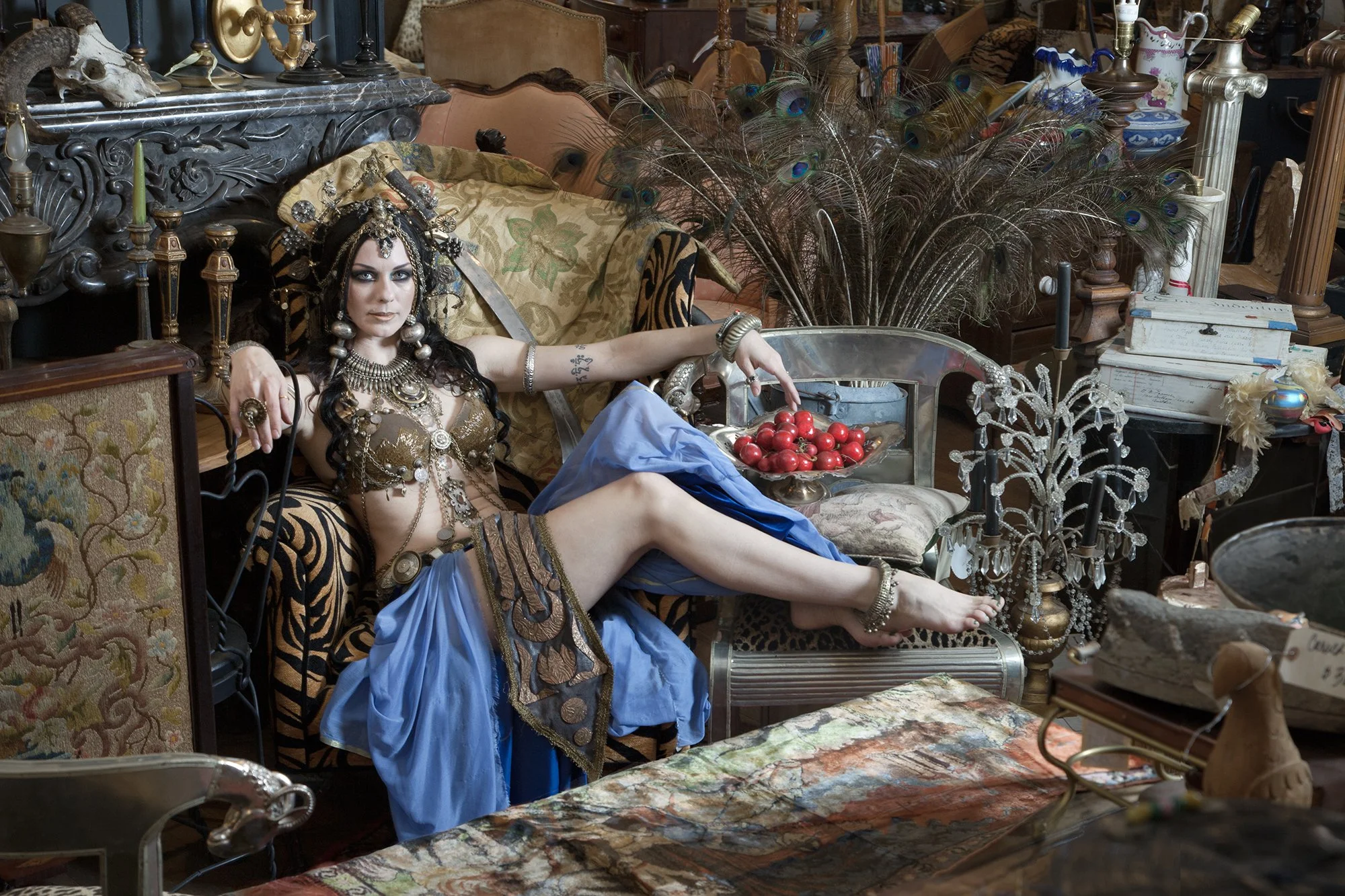
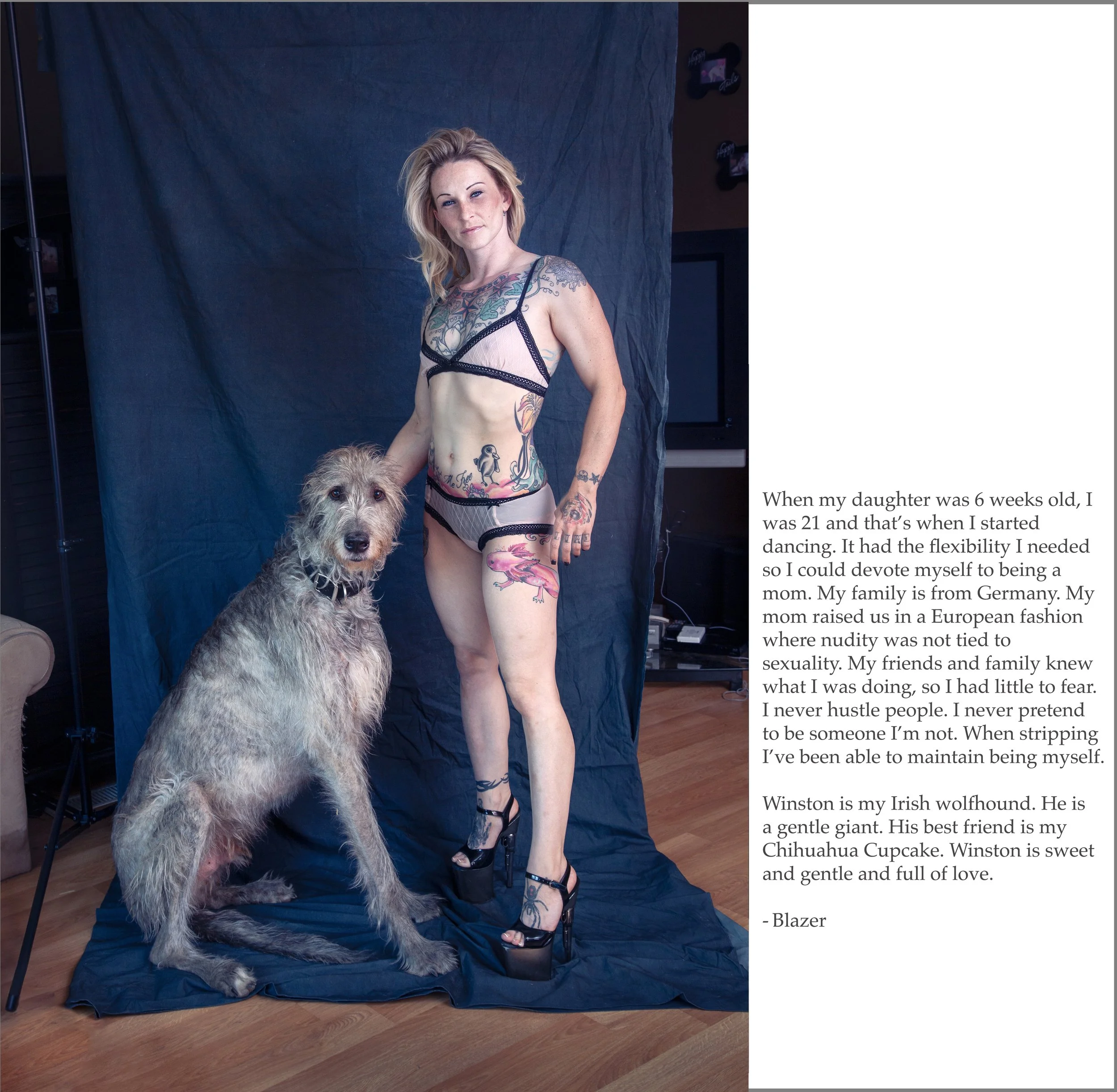
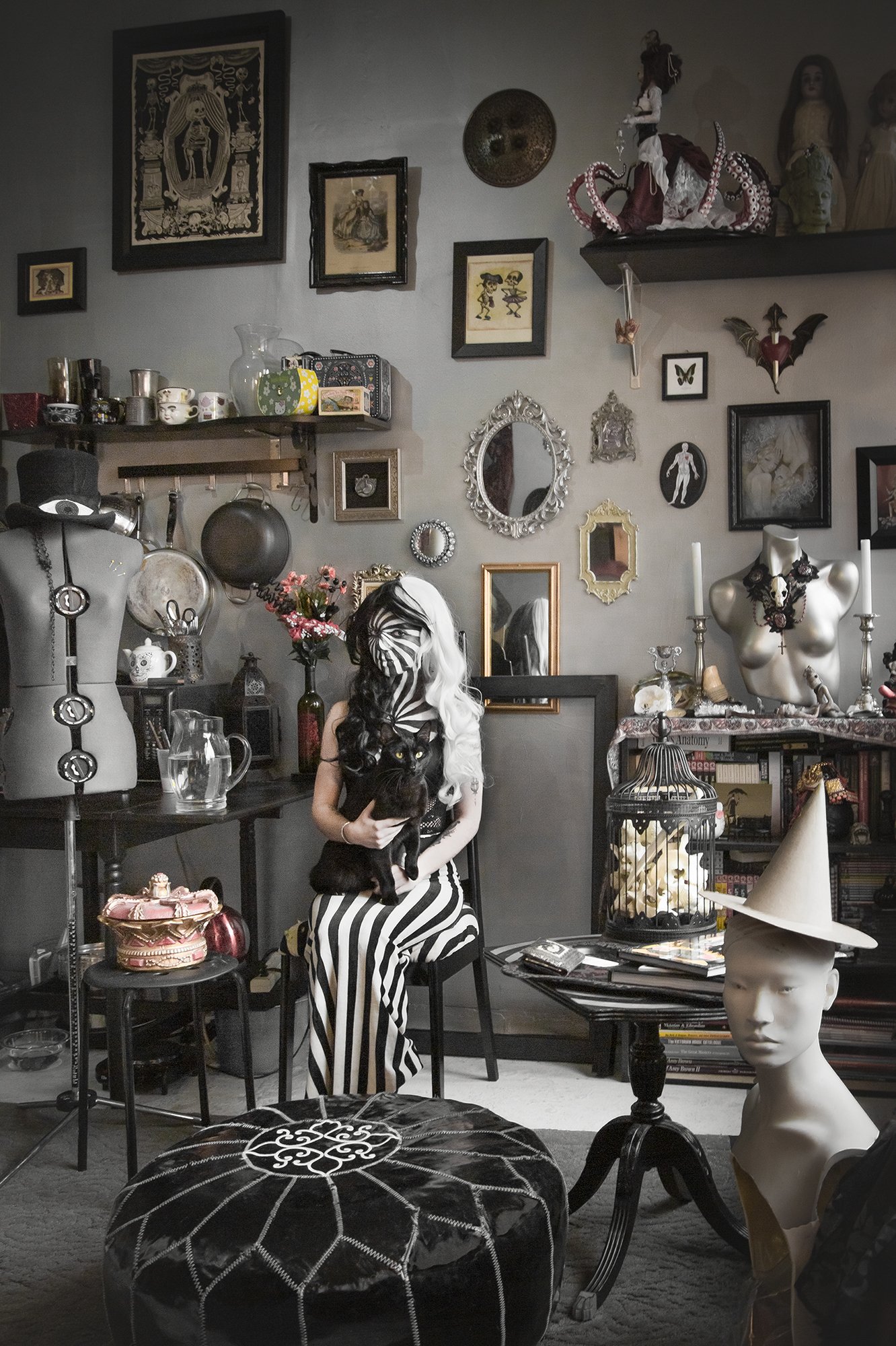
Subrosa: literally, under the rose. Also: in confidence, a secret. Portland: City of Roses. Jason Langer’s photographs in this book—of night performers in Portland across burlesque, vaudeville, circus arts, stripping, kink—feel like a visual equivalent to the hushed tones of whispered secrets. We see performers engaged in their art form: bending over backwards, or in the middle of a striptease. Complementing onstage moments are those in more intimate settings: backstage preparations, bedrooms, or so close we can’t tell where they are. At times performers pose for the camera in portraits that recall vintage pinups, while in others they appear more casual. Langer’s photographs traverse onstage in darkness, offstage in daylight, and the dusky in-between.
Although the images were made recently, Langer views performance and his own relationship to it through a historical lens. He cites Aphrodite worship harkening back to a long-standing mythological panorama that pays homage to beauty and lust, trading Mediterranean landscape for the Pacific Northwest, and temples for theaters and strip clubs. Portland has the highest number of strip clubs per capita in the United States thanks to a 1987 Oregon Supreme Court ruling, State v. Henry, that protected nude dancing as a form of free speech under the First Amendment. The case culminated over a century of underground entertainment in the city. Marlena Williams explains: “From its beginnings as a wideopen port town, Portland developed a strong culture of vice that proved resilient to attempts to eradicate it,” noting the prominence of “[b]rothels, saloons, gambling halls, and burlesque and vaudeville theaters” as the city developed in the late nineteenth and early twentieth centuries.
Langer’s photographs celebrate this local history of revealing to the public, while also drawing attention to the private aspects of such performance. Even in the photos that portray dancers mid-act, there is often something intimate about the composition. Take the Medusa image on the facing page, whose sepia patina recalls early twentieth-century photography (Langer printed it by using pigment ink and giving it a wash of local Stumptown Coffee). A woman stands upright, nude except for sequined pasties and a matching merkin, cream-colored pumps, and a telltale serpentine headdress that recalls the ancient Greek mythological figure. Her arms raised above her head—elbows slightly bent, wrists crossed, and hands languidly slithering upward. We see the curve of her breasts, her torso splayed wide above protruding ribs, left leg crossed in front of right, pale muscular calves, arched foot in pump, robe on the floor. And also: the silhouette of a man’s head tilted upward in the audience, a stand-in for us as viewers. The photograph recalls Susan Meiselas’s Carnival Strippers: 1972 —1975, which followed striptease performers along their small-town carnival route. The series dramatizes acts of looking by including viewers within the frame, redistributing the sense of…
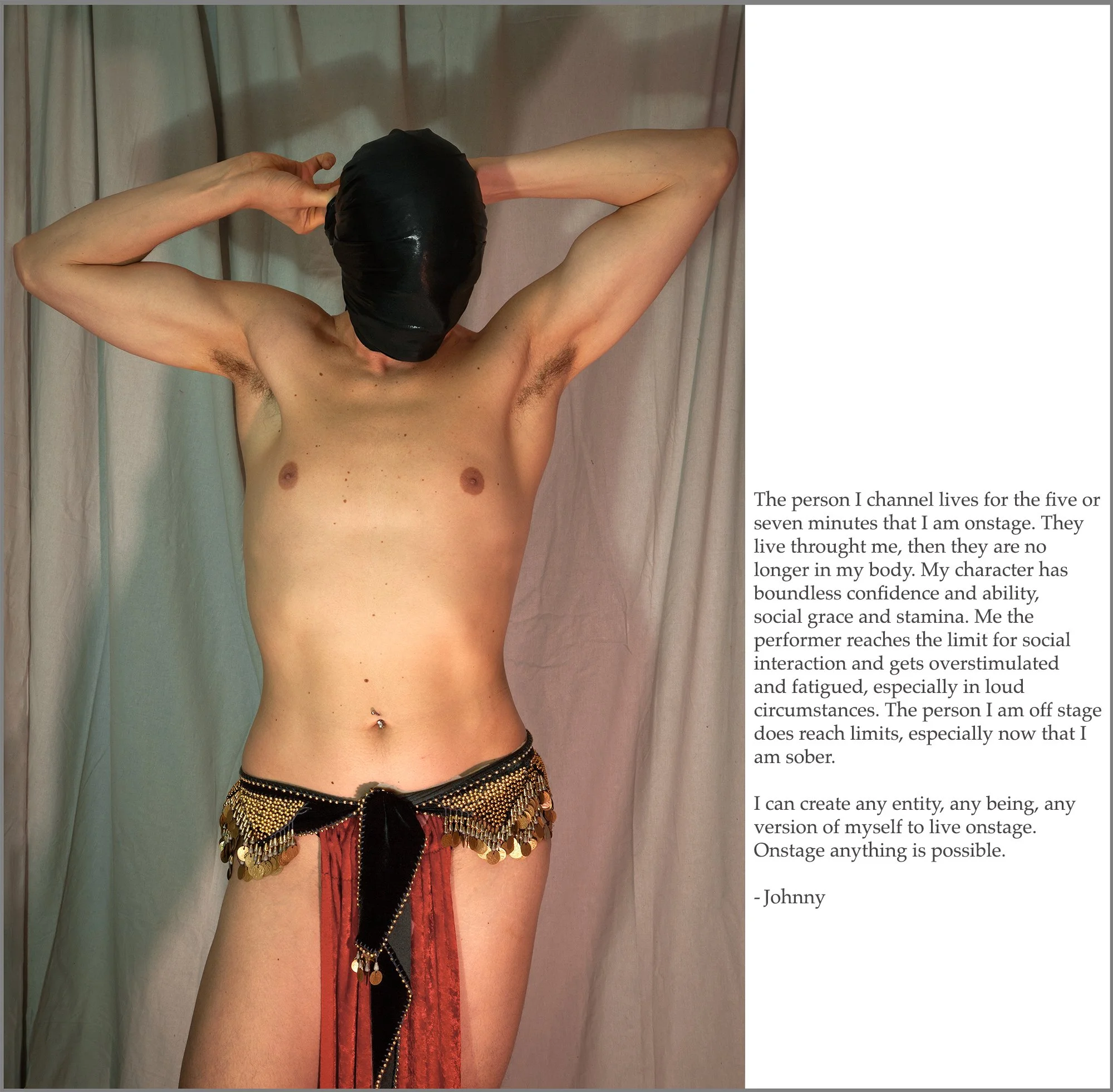
… The performer wears a black latex mask stretched tight over their face—a scratch-out now replaced with a nod towards kink. Two significant bodily identity markers have been removed from our sight; we might be titillated by the unknown and the fetish of what’s underneath, or we might read a willful anonymity, or a willingness to be projected upon. The facelessness also resonates with Langer’s Buddhist practice, which acknowledges the illusory nature of ego and personality. The dancer’s shadowy silhouette appears in the photo, too—an apt metaphor for what lies behind any onstage persona, or what this performer refers to as “[t]he person I channel.” They continue, “I can create any entity, any being, any version of myself to live onstage.”…
Marlena Gittleman, 2025